ServicesAuto Protection Warranty
Auto Protection Warranty in La Porte
An auto protection warranty pays for covered repairs when a part breaks down after the factory coverage is gone. We walk you through what a plan covers, what it leaves out and what you pay each month, so nothing in the contract surprises you later.
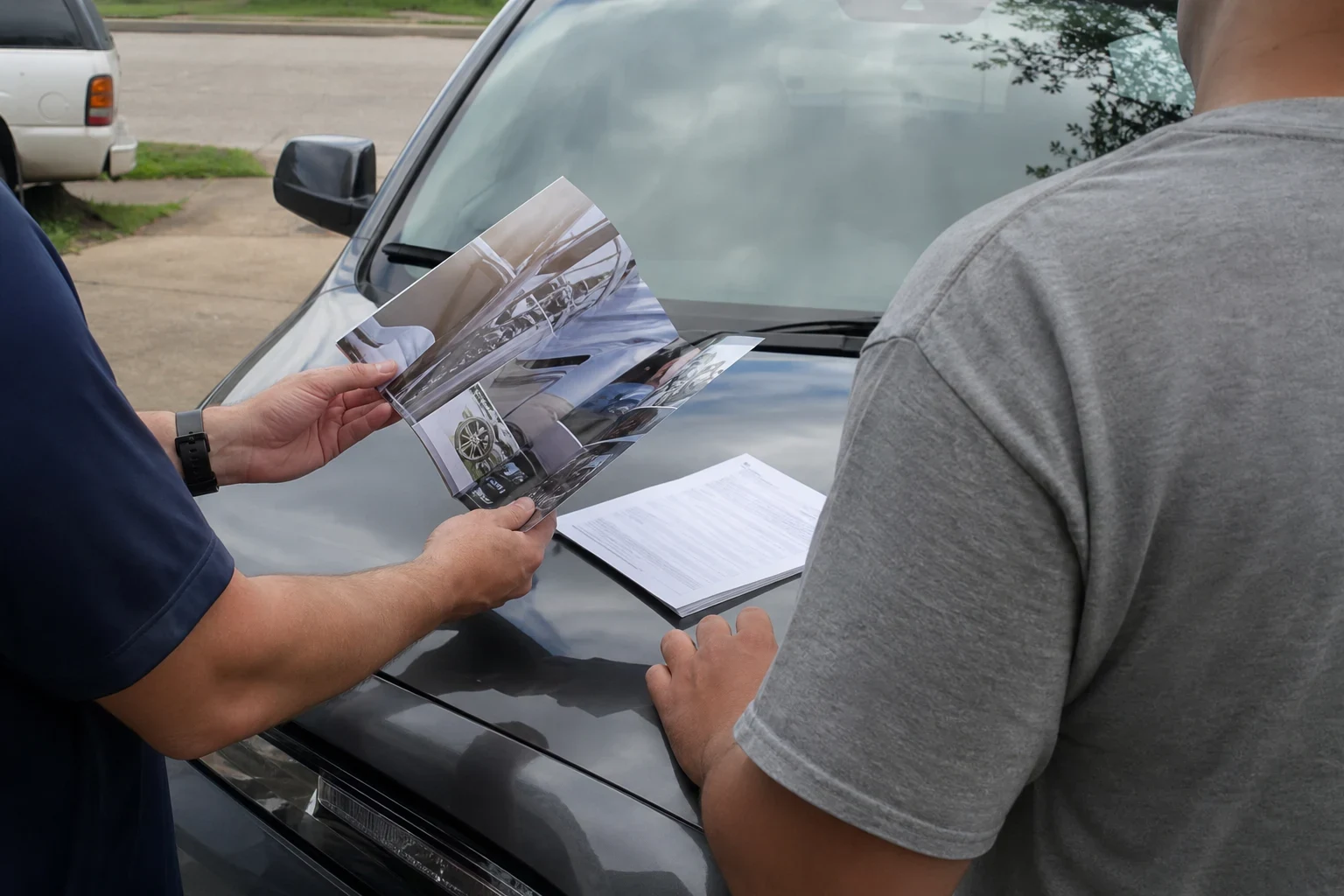
The plain meaning of an auto protection warranty
On paper it is called a vehicle service contract. You buy the plan, and when a part on the covered list fails, the plan pays the shop for the fix, less your deductible. It is a different thing from car insurance. Wrecks, theft and hail are not part of it. Breakdowns are.
Our phone usually rings when a factory warranty is close to expiring, or after a costly repair on an older vehicle wiped out someone's savings. A protection plan swaps those sudden bills for a fixed monthly amount you can budget for.
Each contract comes with rules about which parts count, how repairs get approved and which records you have to keep. We go over those rules with you in everyday words. When a plan does not suit your vehicle, we tell you.
What a protection plan can cover
Engine and transmission
The parts that cost the most to fix. Internal engine parts, the transmission and the drive axle are the core of most plans.
Cooling and air conditioning
Water pumps, radiators, compressors and condensers. In a Gulf Coast summer, a dead A/C is not a small thing, and higher plan levels often include it.
Electrical and computer parts
Alternators, starters, sensors and control modules. Newer vehicles have more of these, and they are often pricey to replace.
Roadside help
Roadside assistance comes with the plan. If your vehicle quits on the side of the road, a tow, a jump start or a flat tire change is part of what the coverage handles.
A clear list of exclusions
Brake pads, tires, wiper blades and oil changes are normal upkeep and are not covered. We show you the exclusion list up front so you know where the line is.
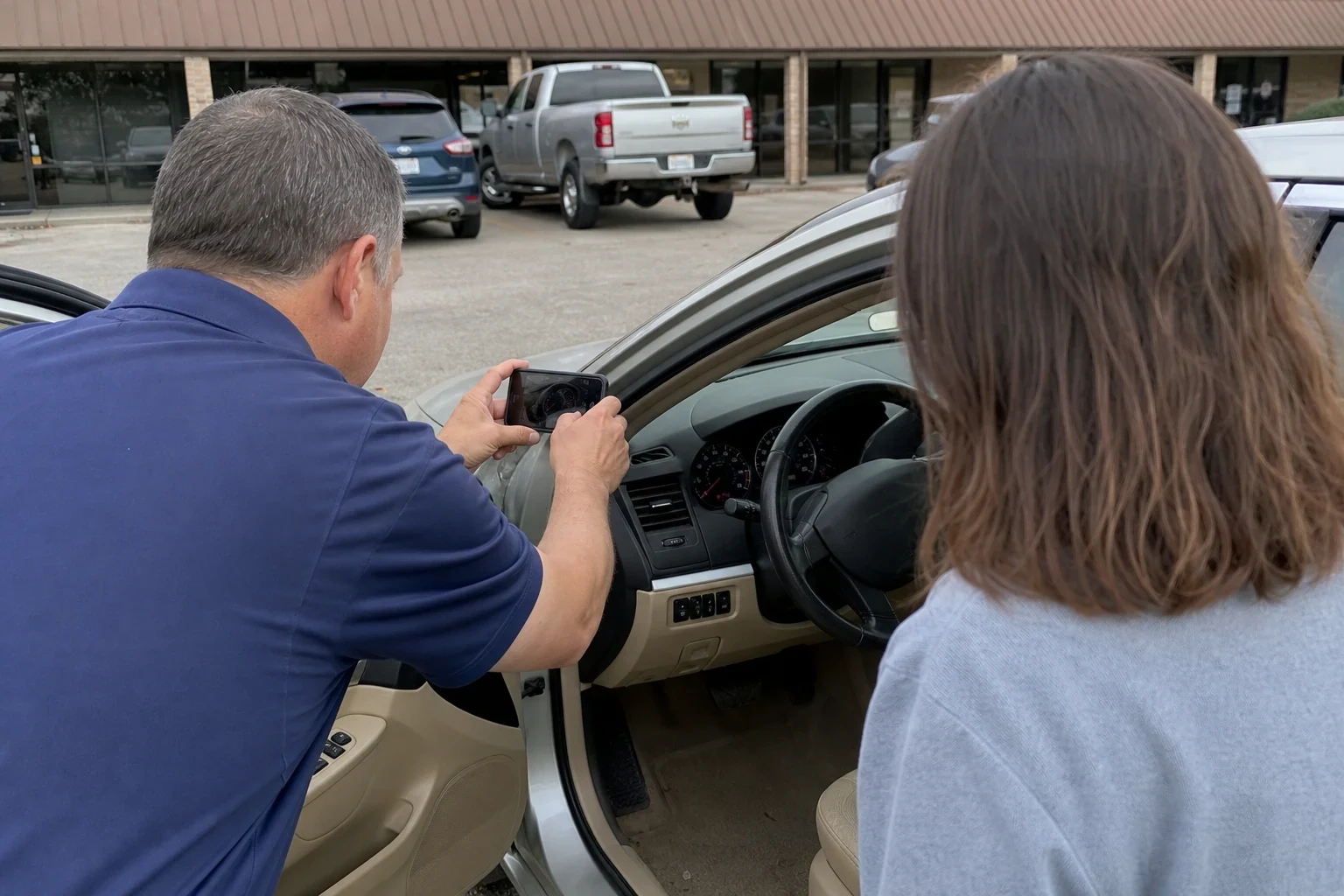
Signs a protection plan makes sense for you
- Your factory warranty is ending
- Once the miles or years run out, every repair is on you. Buying coverage before that point usually gives you more plan options.
- Your vehicle has high miles
- Parts wear out with use. Older cars and trucks still on the road every day are where breakdown coverage tends to earn its keep.
- One big repair would hurt your budget
- If a transmission bill would mean putting it on a credit card, a set monthly payment may be easier to live with.
- Your family runs on one vehicle
- When the car is in the shop, work and school get hard. Covered repairs and roadside help shorten that stretch.
- You drive a lot
- Long commutes to Pasadena or Baytown add miles fast. More miles means more wear on parts a plan can cover.
How we set up your plan
- 1
Give us the basics by phone
Year, make, model and current mileage. The VIN helps too. That is enough for us to see which plans your vehicle qualifies for.
- 2
Compare plan levels side by side
We lay out two or three options and what each one covers. You see the monthly payment, the deductible and the term for each.
- 3
Go over the contract terms
We point out the parts most people miss: any waiting period before coverage starts, the maintenance records you should keep and how a repair gets approved. No signing until you are clear on all of it.
- 4
Pick a payment setup
We offer flexible payment options, so you can choose a schedule that works with your paycheck.
- 5
Use it when something breaks
Take the vehicle to a repair shop, the shop checks with the plan administrator, and covered repairs are paid minus your deductible.
What changes what a plan costs
An auto protection warranty has no set price. Your vehicle and the amount of coverage you choose decide it. On the call we go through each piece so the final number makes sense to you.
- How old it is and how far it has gone
- A vehicle with more years and miles tends to need more repairs, which raises the cost of coverage. Some plans also cap the mileage at sign-up.
- What you drive
- Parts for certain vehicles are more expensive or take more shop time to put in, and the price reflects that.
- How much is covered
- Covering only the engine and transmission is cheaper than covering almost every part. We help you think through which coverage you would really use.
- Your deductible
- Paying more per repair visit brings the monthly cost down. Paying less per visit pushes it up.
- How long the plan runs
- A longer plan covers more years and miles. The total is higher, but it can be spread out further.
Common questions about auto protection plans
- Does this work like car insurance?
- No. Insurance handles crashes and damage. A protection plan handles parts that fail through everyday use. Since they pay for different things, plenty of drivers have both.
- Can my regular mechanic do the repairs?
- With many plans, yes, you can keep using the shop you trust. Before any work begins, the shop contacts the plan administrator for approval. We explain exactly how this goes for the plan you choose.
- Does it pay for a problem my car has right now?
- Generally no. Coverage is for breakdowns that start after the plan does. If your check engine light is already on, have that repaired first, then look into a plan.
- How do I keep my coverage in good standing?
- Stay on top of routine service such as oil changes and hold on to the receipts, since the administrator may want to see them during a claim. We review the maintenance terms with you before you sign.
- How does this plan compare with your others?
- The Car Extended Warranty and Auto Repair Warranty pages describe those choices. This protection plan centers on wide coverage plus roadside help. Call us and we can weigh all three against your vehicle.
Find out what your vehicle qualifies for
Have your mileage handy and give us a few minutes. We will show you the plan options and explain every term before you decide.